Weatherboard Repairs and Painting: How to Keep Your Home Looking Fresh and Protected
Weatherboards are a classic feature of many Australian homes, offering charm and character. However, over time, they can become worn, damaged, and faded, leaving your home vulnerable to the elements. If you’re considering repairing and painting your weatherboards, this guide will help you understand the process and why it’s essential to maintain the condition of your home. At Melbourne City Maintenance, we have over 20 years of experience helping homeowners refresh their homes through expert weatherboard repairs and painting. Here’s why keeping your weatherboards in good shape is so important and how we can help.
Weatherboard Repairs and Painting: Why Weatherboard Maintenance Matters

 Protection Against the Elements
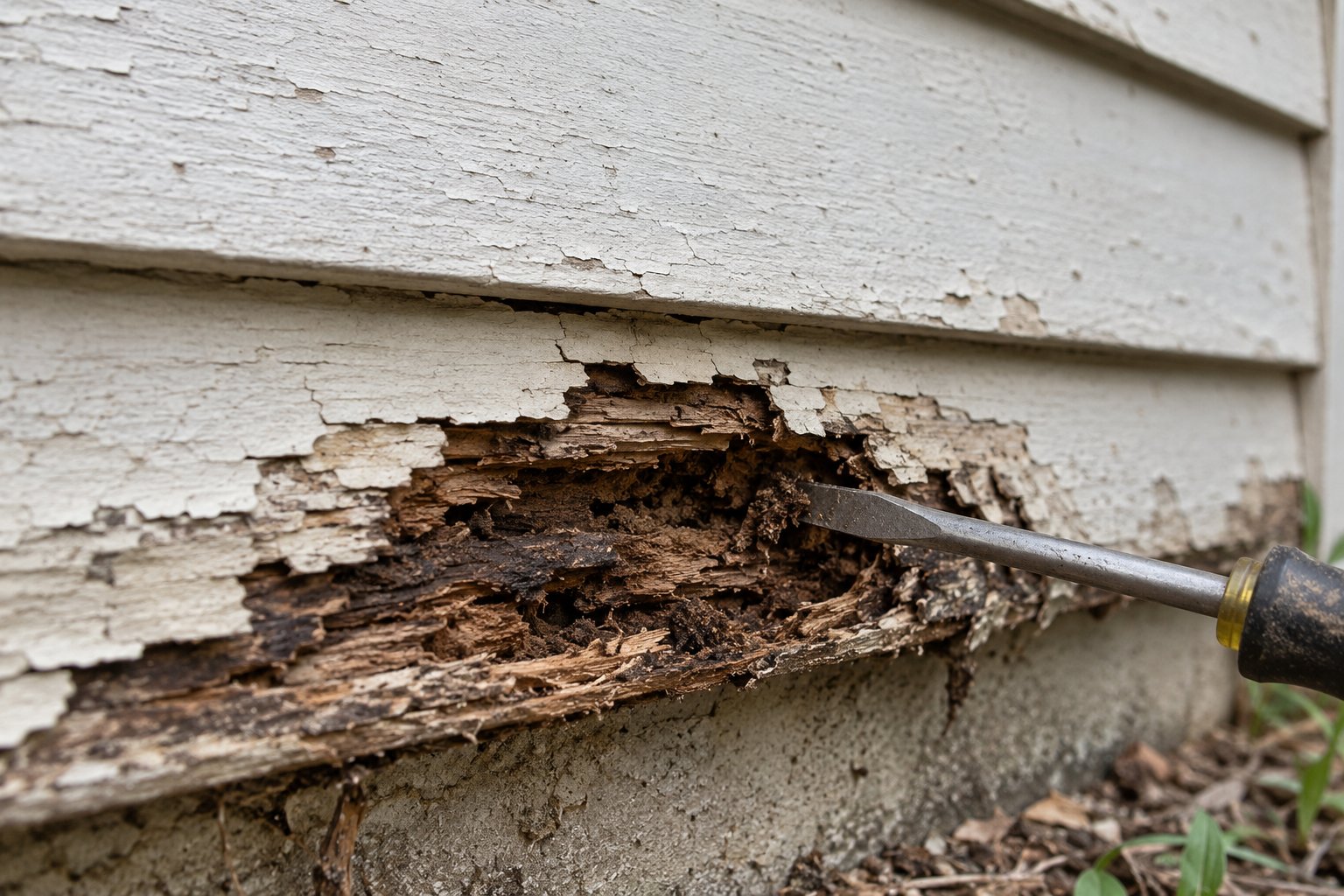
Weatherboards act as your home’s first line of defense against harsh weather conditions like rain, wind, and heat. Over time, weatherboards can crack, rot, or warp due to moisture, sun exposure, and other factors. This not only affects your home’s aesthetic but can also lead to more significant issues, such as water damage. Regular maintenance and timely repairs can prevent these issues from escalating.
Improved Curb Appeal
A fresh coat of paint on well-maintained weatherboards can transform the look of your home, making it more appealing to potential buyers or just a more enjoyable place to live. Weathered or damaged boards detract from your home’s appearance, but with proper repairs and painting, your home can look new again.

 Increased Home Value
Maintaining your weatherboards doesn’t just improve the look of your home; it can also increase its value. Potential buyers are more likely to be attracted to a home that looks well-cared for. Quality weatherboard repairs and painting are a worthwhile investment that can pay off when it comes time to sell.
Common Issues with Weatherboards
- Rotting Wood: This is a common issue in older homes where water has penetrated the wood. It’s essential to replace any rotting boards to prevent further damage to your home. Not sure whether it’s rot or just tired paint? Here’s how to tell the difference.
- Cracks and Splits: Over time, weatherboards can develop cracks or splits, which compromise their ability to protect your home. Repairing these is crucial to maintaining your home’s integrity.
- Peeling Paint: As the paint wears away, it exposes the wood to moisture, which can lead to rot and other damage. Repainting not only refreshes the look of your home but also provides a protective barrier against the elements.


The Process of Weatherboard Repairs and Painting
Step 1: Inspection
The first step in weatherboard repairs is a thorough inspection of your home’s exterior. We’ll look for damaged boards, peeling paint, and any signs of rot. This allows us to provide an accurate assessment of what repairs are needed.
Step 2: Repair or Replace
Once we identify the issues, we’ll either repair or replace damaged weatherboards. For minor cracks or gaps, we’ll fill them in and sand them smooth. However, if boards are rotting or severely damaged, replacing them is the best option to ensure the longevity of your home’s exterior.
Step 3: Surface Preparation
Preparation is key to a long-lasting paint job. We start by sanding the weatherboards to remove any old, flaking paint and create a smooth surface. This is followed by cleaning the boards to remove dust, dirt, and any other debris that could interfere with the paint’s adhesion.
Step 4: Priming
Priming the weatherboards is essential, especially if new boards have been installed or old boards have been exposed after sanding. A good primer will seal the wood, providing a smooth base for the topcoat and ensuring that the paint job lasts longer.
Step 5: Painting
After the primer has dried, we apply high-quality exterior paint, typically in two coats. This not only enhances the appearance of your home but also provides a durable layer of protection against the weather. We use paints specifically designed for Australian conditions, ensuring your home looks great for years to come.


Why Choose Melbourne City Maintenance for Weatherboard Repairs and Painting?
At Melbourne City Maintenance, we have been servicing homes across Melbourne for over 20 years, specializing in weatherboard repairs and painting. Our team has the expertise to handle everything from minor repairs to full exterior makeovers. We pride ourselves on attention to detail and customer satisfaction, ensuring your home not only looks fantastic but is also well-protected.
Contact Us for a Free Quote
If your weatherboards are in need of repairs or you’re ready for a fresh coat of paint, contact us at Melbourne City Maintenance. Our experienced team is ready to provide you with a free quote and discuss how we can help restore the beauty and integrity of your home. Don’t wait until small problems become big issues—let us help you keep your home looking its best!


By The Way….
Remember to read our
GOOGLE reviews
HERE and see what other people had to say about our painting and building maintenance services and the way we conduct ourselves. We use and recommend Australian-owned and made paints from
Haymes Paints.
Melbourne City Maintenance has been
Painting Melbourne and protecting property from Melbourne’s harsh weather since 2005. While providing painting services in Melbourne’s central business district and all suburbs of the greater Melbourne area we have completed more than our fair share of
painting in Northcote,
painting in Thornbury,
painting in Preston,
painting in Clifton Hill, and
painting in Fairfield.
We offer all aspects of
Interior Painting, single-story to highrise
Exterior Painting, Private Apartment painting to common area and
Body Corporate Painting, rotten
Weatherboard Repairs and replacement, and small to medium
Commercial Painting



 A friend found reviews of this company on a neighbourhood website so I included MCM in my list when I sought quotes for repairing and painting weatherboards on my house.